UEFA Champions League: The Ultimate Guide To The Prestigious European Football Competition - Once the group stage begins, 32 teams are divided into eight groups of four. Each team plays against the others in their group twice, home and away. The top two teams from each group advance to the knockout phase, which consists of a series of two-legged ties until the final, which is a single-match showdown. The UEFA Champions League traces its roots back to the European Cup, which was first held in 1955. Initially conceived as a competition for the top clubs in Europe, the tournament quickly gained popularity. The format and name evolved over the years, and in 1992, the competition was rebranded as the UEFA Champions League to reflect its growing stature.
Once the group stage begins, 32 teams are divided into eight groups of four. Each team plays against the others in their group twice, home and away. The top two teams from each group advance to the knockout phase, which consists of a series of two-legged ties until the final, which is a single-match showdown.
Moreover, the UEFA Champions League has a significant cultural impact, promoting values such as teamwork, fair play, and respect. The tournament's initiatives to support social causes and promote inclusivity further enhance its positive image.
In the 1999 final, Manchester United staged a dramatic comeback against Bayern Munich, scoring two goals in stoppage time to win the trophy. Another unforgettable moment came in 2005, when Liverpool came back from 3-0 down against AC Milan in the final, eventually winning on penalties.
The UEFA Champions League enjoys a massive global audience, with matches broadcast in over 200 countries and territories. The tournament's popularity has led to lucrative broadcasting deals, ensuring its financial sustainability and growth. Fans around the world can enjoy live coverage of the matches, with commentators and analysts providing expert insights.
One of the key milestones in the history of the UEFA Champions League was the introduction of the group stage format in 1992. This change allowed more teams to participate and increased the number of matches, making the tournament more engaging for fans. Since then, the competition has undergone several modifications to accommodate the growing number of participating teams and ensure a fair and competitive structure.
The UEFA Champions League has a diverse fan base, with supporters from all continents tuning in to watch the matches. The tournament's ability to unite fans from different cultures and backgrounds is one of its greatest strengths.
The prize money distribution in the UEFA Champions League is based on performance and market pool shares:
We invite you to share your thoughts and experiences with the UEFA Champions League in the comments section below. Additionally, feel free to explore other articles on our website for more insights into the world of football. Together, let's celebrate the beauty of the game and the magic of the UEFA Champions League!
As we delve deeper into this comprehensive guide, you'll discover fascinating insights into the tournament's origins, its evolution over the years, and the reasons behind its immense popularity. Whether you're a die-hard fan or someone new to the world of football, this article will provide valuable information to enhance your understanding of the UEFA Champions League.
For players, participating in the UEFA Champions League can enhance their reputation and earning potential. Top performers in the tournament often attract interest from the world's biggest clubs, leading to lucrative transfer deals and contracts.
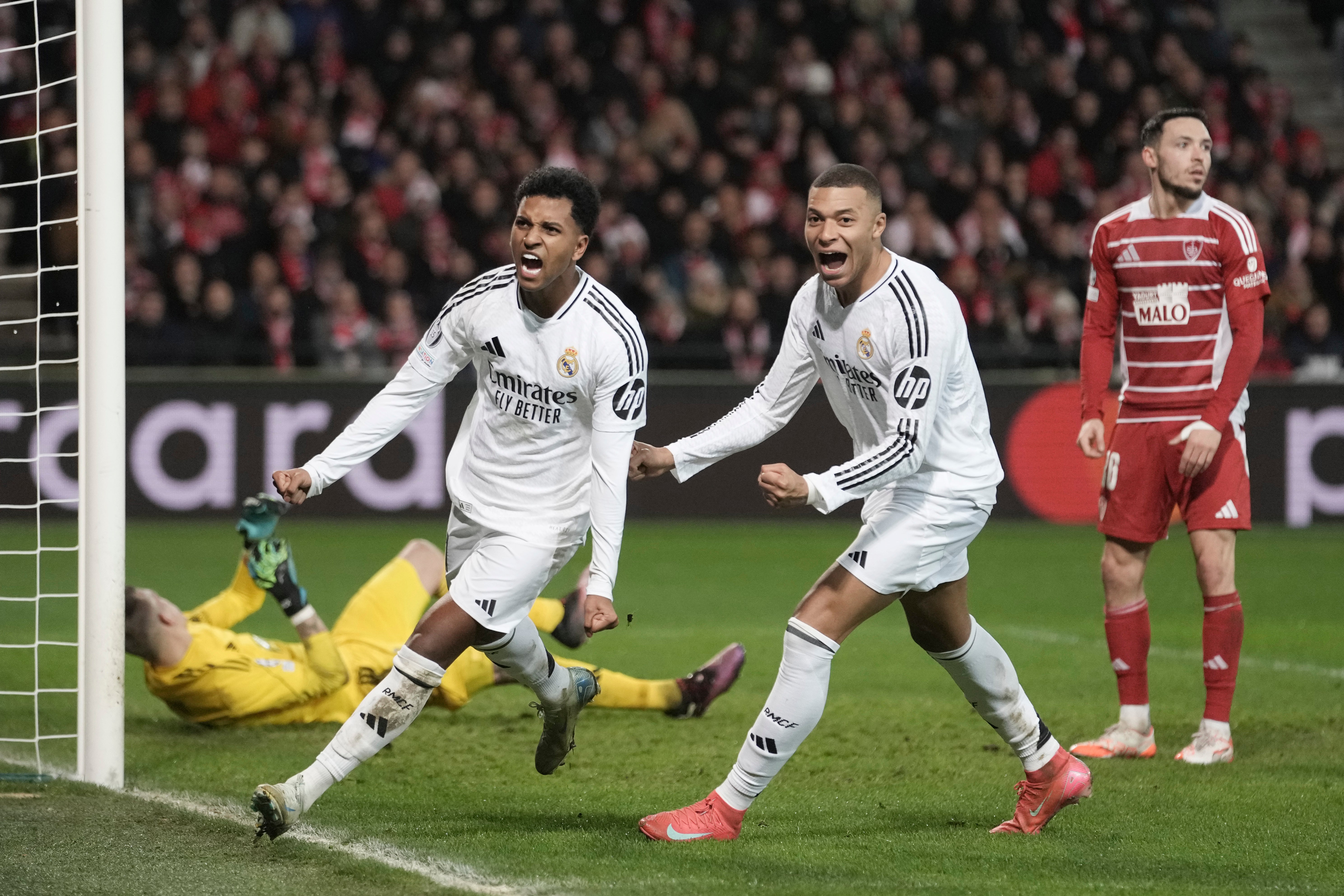
The UEFA Champions League has produced countless iconic moments that have become part of football folklore. From last-minute goals to stunning comebacks, the tournament has provided fans with unforgettable memories. Some of the most memorable moments include:
For football enthusiasts, the UEFA Champions League is more than just a tournament; it's a celebration of skill, strategy, and passion. Every year, top clubs from various European leagues battle it out to claim the ultimate prize in club football. The competition's prestige is unmatched, and its influence extends far beyond the pitch.